
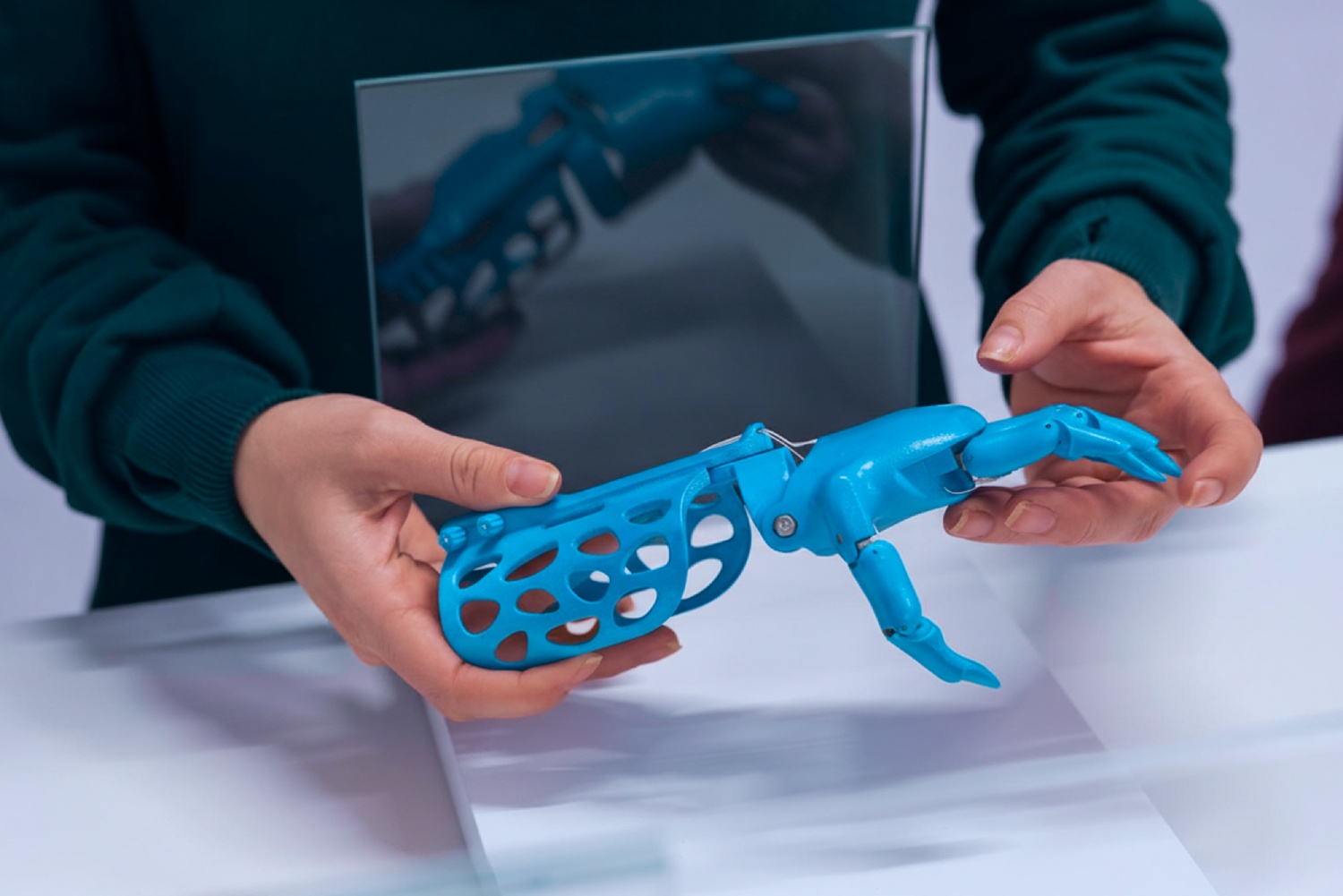
3D Printing for Prototyping has transformed the way products are designed and manufactured, offering a level of flexibility and efficiency that was previously unimaginable. As industries continue to evolve, 3D printing is leading the way in prototype development, making it easier for companies to test, refine, and validate ideas before committing to full-scale production.
In this blog, we’ll explore how 3D printing is reshaping prototyping across sectors, from automotive to healthcare, and why businesses are increasingly adopting both industrial and commercial 3D printing services.
What is 3D Printing and Why is it Important for Prototyping?
At its core, 3D Printing for Prototyping involves creating three-dimensional objects from a digital design file by laying down successive layers of material. The ability to print parts directly from a design allows manufacturers to skip traditional mold-making processes, which can be time-consuming and expensive. This flexibility is particularly beneficial for prototyping, where quick iterations, testing, and design validation are crucial.
Unlike traditional manufacturing methods, 3D printing services allow companies to produce complex, customized prototypes at a fraction of the cost and time. The rapid turnaround and high degree of precision have made 3D printing the go-to technology for prototyping in numerous industries.
The Impact of 3D Printing on Automotive Prototyping
The automotive industry has been quick to adopt 3D printing rapid prototyping services, thanks to the technology’s ability to create durable, functional prototypes that simulate real-world conditions. In the past, automotive companies had to rely on traditional methods of prototyping, which often involved long lead times and high costs. With industrial 3D printing, automakers can now produce parts faster, experiment with complex designs, and test components without the need for expensive tooling.
For instance, car manufacturers can now print parts such as brackets, housings, and even engine components directly from CAD designs. This capability not only speeds up the development process but also allows manufacturers to reduce waste, as parts are produced on-demand with minimal material usage.
Want to see how 3D printing can improve your automotive prototyping? Get in touch with us for a consultation.
Healthcare and Medical Device Prototyping: A New Era
The healthcare sector is another area where 3D printing services have had a significant impact. Medical device manufacturers use 3D printing for rapid prototyping to test new concepts before moving on to the manufacturing phase. This approach allows for the production of highly customized devices such as implants, prosthetics, and surgical tools, which are tailored to individual patient needs.
Moreover, commercial 3D printing services are now used to create biocompatible prototypes that mimic the exact specifications required for medical procedures. This ability to quickly produce functional prototypes has been revolutionary for the medical industry, allowing manufacturers to streamline their product development cycles and deliver safer, more efficient medical devices.
Aerospace and Defense: Reducing Weight, Increasing Performance
In industries like aerospace, 3D printing has become a game-changer for prototyping, particularly in producing lightweight yet strong parts. Aircraft manufacturers use industrial 3D printing to create complex components that traditional methods simply can’t replicate. Parts such as turbine blades, engine components, and structural elements can be 3D printed with high precision, which results in lighter and more fuel-efficient designs.
The ability to print custom parts directly from digital designs is especially beneficial for the aerospace industry, where the performance of components is critical. With 3D printing services, companies can test and validate new designs in record time, helping to meet the ever-increasing demands for innovation in aerospace technology.
Ready to innovate in aerospace?
The Future of Prototyping: Customization and Cost Reduction
As 3D printing continues to advance, the future of prototyping looks bright. One of the most exciting aspects of this technology is the ability to produce highly customized parts at low volumes. Commercial 3D printing services are opening up new possibilities for industries that require custom solutions, such as the fashion, jewelry, and electronics industries.
The ability to rapidly prototype with 3D printing not only reduces costs but also gives companies the flexibility to experiment with designs without worrying about the cost and time of retooling. Additionally, advancements in material science mean that companies can now use a wider range of materials for prototyping, including metals, plastics, ceramics, and even composites.
Conclusion
3D printing services have revolutionized the way prototypes are made, offering significant advantages in terms of speed, cost, and design flexibility. As industries such as automotive, healthcare, aerospace, and electronics continue to adopt industrial 3D printing, businesses are realizing the value of quick iterations, reduced waste, and the ability to test new ideas without significant investment. Whether for functional prototypes or low-volume production, 3D printing is shaping the future of product development and manufacturing.
At Marcopolo, we specialize in providing high-quality 3D printing services to help businesses across industries accelerate product development, streamline prototyping, and reduce costs. Our expertise in rapid prototyping and customized 3D printing solutions ensures that your ideas are brought to life quickly, efficiently, and with precision, helping you stay ahead in a competitive market.
Cut prototyping costs and boost design flexibility. Contact us to see how 3D printing can help your business.
FAQs
What is the difference between 3D printing services and traditional manufacturing?
Traditional manufacturing methods require molds and tooling, which can be expensive and time-consuming. 3D printing services create parts directly from digital files, allowing for rapid prototyping and low-volume production without the need for expensive tooling.
How does 3D printing speed up prototyping?
With 3D printing rapid prototyping services, companies can produce parts in a matter of hours or days, compared to weeks with traditional methods. This drastically reduces the development time and allows for faster testing and iteration.
What industries use 3D printing for prototyping?
3D printing is used in a wide range of industries, including automotive, healthcare, aerospace, defense, consumer electronics, and fashion, for prototyping and low-volume production.
Is 3D printing cost-effective for small batches?
Yes, 3D printing is highly cost-effective for small batches since there is no need for expensive molds or tooling. This makes it ideal for startups and small manufacturers looking to create custom parts or prototypes.
Can 3D printing produce functional parts?
Absolutely. Industrial 3D printing can create functional parts that are durable and ready for real-world applications. These parts are used in industries like automotive, aerospace, and medical device manufacturing.